
Have you ever wondered how many people are crammed into Missoula in Montana? Here is the answer:
Missoula, Montana has a population density of 963.86 inhabitants per square kilometer (2496.26 / sq mi)
That means the whole population of 73,340 people are living within an area of 76.09 sq km (29.38 sq mi).
As a reference: New York City has a population density of 6918 inhabitants per square kilometer (17918 / sq mi), thanks to it’s population of 8,398,748 inhabitants within an area of 1214 sq km (468.73 sq mi).
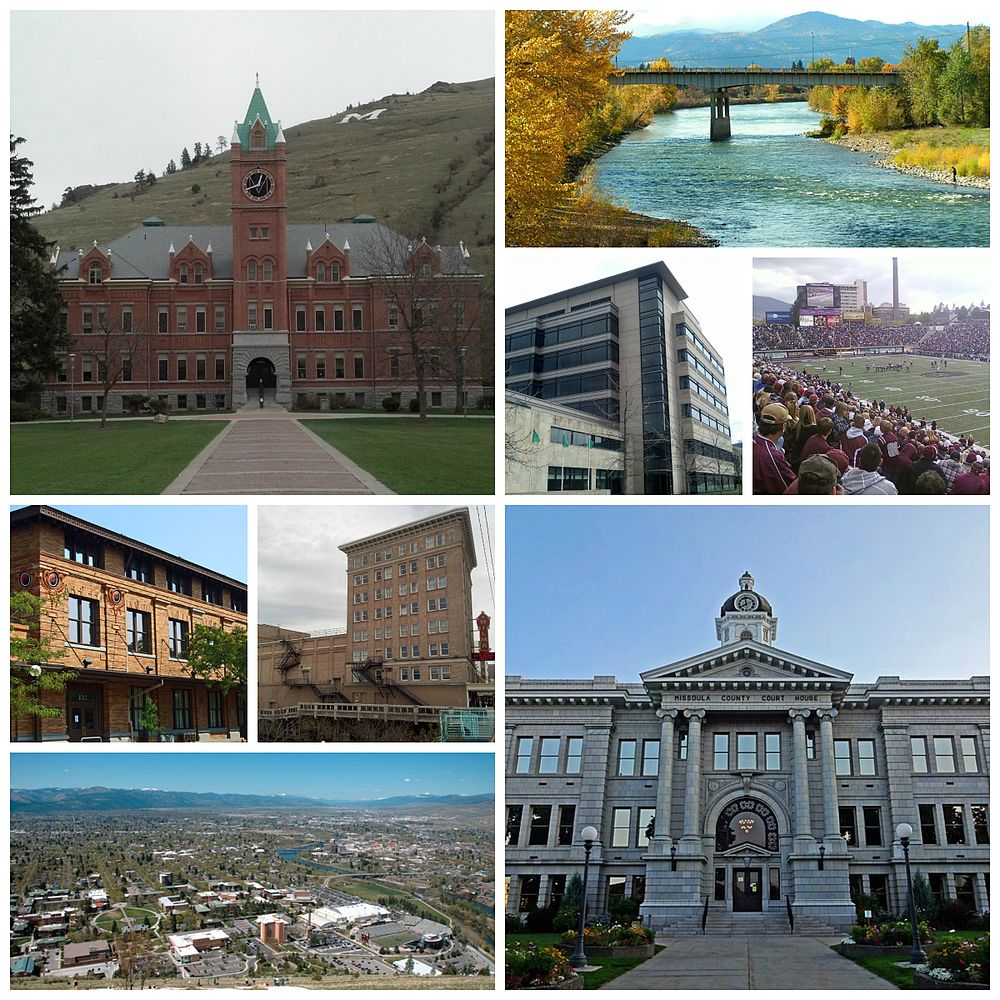
Missoula (listen) is a city in the U.S. state of Montana; it is the county seat of Missoula County. It is located along the Clark Fork River near its confluences with the Bitterroot and Blackfoot Rivers in western Montana and at the convergence of five mountain ranges, thus it is often described as the “hub of five valleys”. In 2019, the United States Census Bureau estimated the city’s population at 75,516 and the population of the Missoula Metropolitan Area at 118,791. After Billings, Missoula is both the second largest city and metropolitan area in Montana. Missoula is home to the University of Montana, a public research university.William T. Hamilton first settled in the Missoula area in 1858 with a trading post near current Missoula along the Rattlesnake Creek along with Captain Richard Grant settling near Grant Creek, and David Pattee near Pattee Canyon. Missoula was founded in 1860 as Hellgate Trading Post while still part of Washington Territory. By 1866, the settlement had moved east, 5 miles (8 km) upstream, and renamed Missoula Mills, later shortened to Missoula. The mills provided supplies to western settlers traveling along the Mullan Road. The establishment of Fort Missoula in 1877 to protect settlers further stabilized the economy. The arrival of the Northern Pacific Railway in 1883 brought rapid growth and the maturation of the local lumber industry. In 1893, the Montana Legislature chose the city as the site for the state’s first university. Along with the U.S. Forest Service headquarters founded in 1908, lumber and the university remained staples of the local economy for the next hundred years.By the 1990s, Missoula’s lumber industry had gradually disappeared, and as of 2009, the city’s largest employers were the University of Montana, Missoula County Public Schools, and Missoula’s two hospitals. The city is governed by a mayor–council government with twelve city council members, two from each of the six wards. In and around Missoula are 400 acres (160 ha) of parkland, 22 miles (35 km) of trails, and nearly 5,000 acres (2,000 ha) of open-space conservation land with adjacent Mount Jumbo home to grazing elk and mule deer during the winter. The city is also home to both Montana’s largest and its oldest active breweries as well as the Montana Grizzlies, one of the strongest college football programs in the Division I Football Championship Subdivision of the National Collegiate Athletic Association (NCAA). Notable residents include the first woman in the U.S. Congress, Jeannette Rankin, and the United States’ longest-serving Senate Majority Leader, Mike Mansfield.
Cities with a similar population density as Missoula
Other cities that have a similar population density as Missoula, Montana are:
- Sterling, Illinois with a population density of 977 people per sq km (2,532 / sq mi).
- Appleton, Wisconsin with a population density of 1,123 people per sq km (2,908 / sq mi).
- Provo, Utah with a population density of 983 people per sq km (2,547 / sq mi).
- Eastlake, Ohio with a population density of 1,099 people per sq km (2,845 / sq mi).
- Adrian, Michigan with a population density of 998 people per sq km (2,587 / sq mi).
- Maplewood, Minnesota with a population density of 816 people per sq km (2,113 / sq mi).
- Palmetto, Florida with a population density of 847 people per sq km (2,192 / sq mi).
- Peru, Indiana with a population density of 848 people per sq km (2,196 / sq mi).
- Dardenne Prairie, Missouri with a population density of 859 people per sq km (2,223 / sq mi).
- Canton, Ohio with a population density of 1,092 people per sq km (2,828 / sq mi).
Cities with a similar population size as Missoula
Here a list of cities that have a similar number of inhabitants like Missoula, Montana:
- Melbourne, Florida with a population of 76,068 people
- Clifton, New Jersey with a population of 84,136 people
- Orem, Utah with a population of 90,749 people
- Fort Myers, Florida with a population of 65,725 people
- Parma, Ohio with a population of 81,601 people
- Yakima, Washington with a population of 91,067 people
- Fall River, Massachusetts with a population of 88,857 people
- Plymouth, Minnesota with a population of 70,576 people
- Lorain, Ohio with a population of 64,097 people
- Scranton, Pennsylvania with a population of 76,089 people
Cities with a similar size as Missoula
If you want to check which cities have a similar size as Missoula, Montana, here you go:
- Prichard, Alabama with 66.10 square kilometers (66.10 sq mi), population: 22,659
- Richardson, Texas with 74.22 square kilometers (74.22 sq mi), population: 99,223
- West Valley City, Utah with 91.99 square kilometers (91.99 sq mi), population: 129,480
- Troy, Alabama with 73.28 square kilometers (73.28 sq mi), population: 14,482
- Middletown, Ohio with 68.43 square kilometers (68.43 sq mi), population: 51,605
- Franklin, Massachusetts with 70.00 square kilometers (70.00 sq mi), population: 33,092
- Alvin, Texas with 66.40 square kilometers (66.40 sq mi), population: 24,236
- Conneaut, Ohio with 68.43 square kilometers (68.43 sq mi), population: 12,841
- Paragould, Arkansas with 81.23 square kilometers (81.23 sq mi), population: 23,775
- Morristown, Tennessee with 71.00 square kilometers (71.00 sq mi), population: 29,137